Traditional South African Recipes: A Culinary Journey
Welcome to the heart of South African cuisine! This page is dedicated to celebrating the traditional dishes that have shaped the culinary landscape of this vibrant nation. From hearty stews to sweet treats, these recipes represent a rich tapestry of flavors and cultural influences. Each dish tells a story, passed down through generations, reflecting the history and heritage of South Africa.
South African cuisine is a melting pot of indigenous, European, and Asian influences. The early Dutch settlers, known as the Boers, brought their own culinary traditions, which were then adapted and blended with the ingredients and techniques of the local Khoisan and Bantu people. Later, the arrival of Malays and Indians added another layer of complexity and flavor to the South African table. This unique blend of cultures has resulted in a cuisine that is both diverse and delicious, offering something for everyone to enjoy.
Here, you'll find recipes for some of the most beloved traditional dishes, complete with step-by-step instructions and tips for achieving authentic flavors. Whether you're a seasoned cook or a beginner, we invite you to explore the wonderful world of South African cooking and discover the tastes that have captivated hearts for centuries.
Featured Traditional Recipes
-
Bobotie
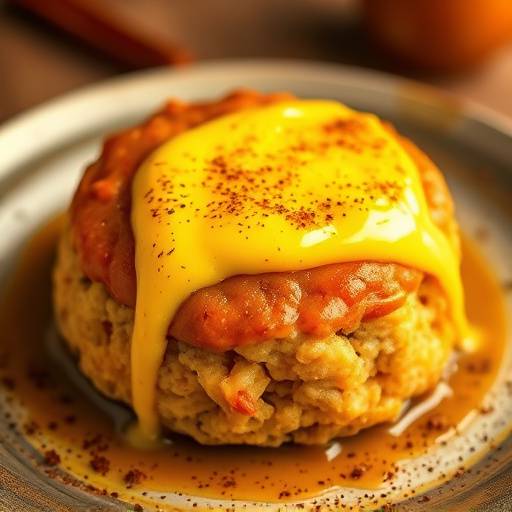
Bobotie is arguably South Africa's national dish. It is a spiced minced meat dish, traditionally made with beef or lamb, and baked with a creamy egg custard topping. The spices, such as curry powder, turmeric, and dried fruit, give it a unique and aromatic flavor. It's often served with yellow rice, chutney, and banana slices.
-
Melktert

Melktert, or milk tart, is a classic South African dessert. It consists of a sweet pastry crust filled with a creamy milk custard, flavored with cinnamon and vanilla. It's a simple yet comforting treat that is perfect for any occasion. Many families have their own secret recipes, passed down through generations.
-
Potjiekos
Potjiekos, meaning "small pot food," is a traditional stew cooked in a three-legged cast iron pot over an open fire. It is a social and communal event, often enjoyed outdoors with friends and family. The ingredients typically include meat, vegetables, and spices, all layered in the pot and slow-cooked for hours, resulting in a rich and flavorful stew.
-
Bredie
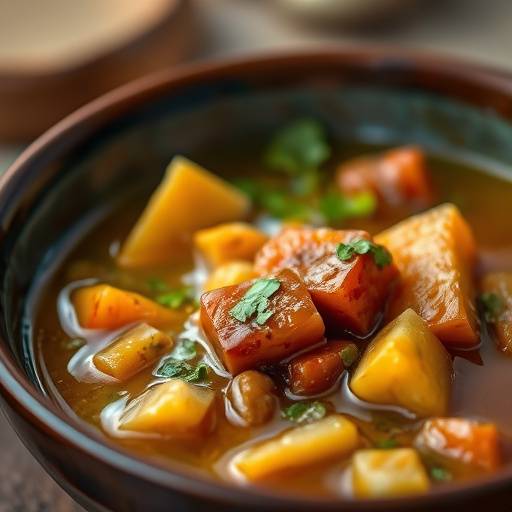
Bredie is a type of South African stew, typically made with meat, vegetables, and spices. There are many variations of bredie, each with its own unique flavor profile. One popular example is Waterblommetjiebredie, made with waterblommetjies (Cape water lilies), lamb, potatoes, and onions. Tomato Bredie is another favorite, featuring tender pieces of meat simmered in a rich tomato sauce.
-
Biltong
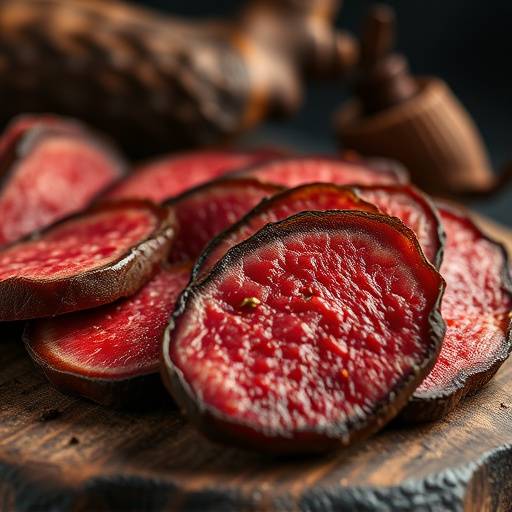
While technically not a cooked recipe, Biltong is a cornerstone of South African cuisine. It's a form of dried, cured meat, similar to jerky but thicker and spiced differently. Commonly made from beef, but also ostrich or game meat, it's marinated in vinegar and spices, then air-dried. A perfect snack for any occasion.
A Glimpse into the Past: Historical Context
The history of South African cuisine is inextricably linked to the country's complex social and political landscape. The arrival of the Dutch East India Company in the 17th century marked the beginning of a significant transformation in food culture. The settlers introduced new ingredients and cooking techniques, which were then adapted and integrated with the existing culinary practices of the indigenous population.
The subsequent arrival of other European settlers, including the British, further shaped the South African table. The influence of Malay slaves, brought to the Cape from the East Indies, is evident in dishes such as bobotie and bredie. The arrival of Indian indentured laborers in the 19th century added another layer of flavor to the mix, with curries and spices becoming an integral part of the South African culinary repertoire.
"South African cuisine is a testament to the resilience and adaptability of its people. It reflects the diverse cultures and experiences that have shaped the nation's identity." - Chef Zola Nene, Author of "Simply Zola"
The apartheid era had a profound impact on access to food and culinary traditions. The forced segregation and unequal distribution of resources resulted in disparities in food security and access to fresh ingredients. However, despite these challenges, food continued to play a vital role in preserving cultural identity and fostering a sense of community.
Today, South African cuisine is experiencing a renaissance, with chefs and food enthusiasts rediscovering and celebrating the country's culinary heritage. There is a growing emphasis on using local and sustainable ingredients, as well as promoting traditional cooking techniques. The future of South African cuisine is bright, with endless possibilities for innovation and creativity.
Traditional Cooking Methods
Many traditional South African recipes rely on slow cooking methods, allowing flavors to meld and develop over time. The potjie, for instance, is designed for slow cooking over an open fire, resulting in a tender and flavorful stew. Bredies, too, are often simmered for hours, allowing the meat and vegetables to become incredibly tender.
Another important aspect of traditional South African cooking is the use of spices. Curry powder, turmeric, coriander, and cumin are just a few of the spices that are commonly used to add depth and complexity to dishes. The spices are often sourced from local markets and blended to create unique flavor profiles.
Preserving food is also a key element of traditional South African cuisine. Biltong, droëwors (dried sausage), and pickles are all examples of preserved foods that have been enjoyed for generations. These foods were particularly important in the past, when access to fresh ingredients was limited.
Availability and Accessibility
At Savory Soul, we are committed to making our recipes accessible to everyone. We provide detailed instructions and ingredient lists, as well as tips for substitutions and variations. We also offer a range of resources for learning more about South African cuisine, including articles, videos, and cooking classes.
We understand that some ingredients may be difficult to find outside of South Africa. Therefore, we provide suggestions for alternative ingredients that can be used to achieve similar flavors. We also encourage you to explore local markets and specialty stores to discover new and exciting ingredients.
Savory Soul is dedicated to promoting inclusivity and diversity in the culinary world. We believe that everyone should have the opportunity to experience the joy of cooking and sharing delicious food with others. If you have any questions or feedback, please do not hesitate to contact us. We are always happy to hear from you.
Ingredient Spotlight
| Ingredient | Description | Typical Use |
|---|---|---|
| Rooibos | A naturally caffeine-free herbal tea with a reddish-brown color and earthy flavor. | Beverage, flavoring in desserts and sauces. |
| Mielie-meal | A coarsely ground maize flour, a staple food in South Africa. | Pap (porridge), baking, thickening agent. |
| Chakalaka | A spicy vegetable relish, typically made with beans, tomatoes, onions, and peppers. | Side dish, condiment. |
| Biltong Spice | A blend of spices used to cure and flavor biltong, including coriander, salt, pepper, and vinegar. | Curing and flavoring meat. |
| Waterblommetjies | The edible flower buds of the Cape water lily, with a slightly sweet and vegetal flavor. | Waterblommetjiebredie (stew). |